
March 10, 2026
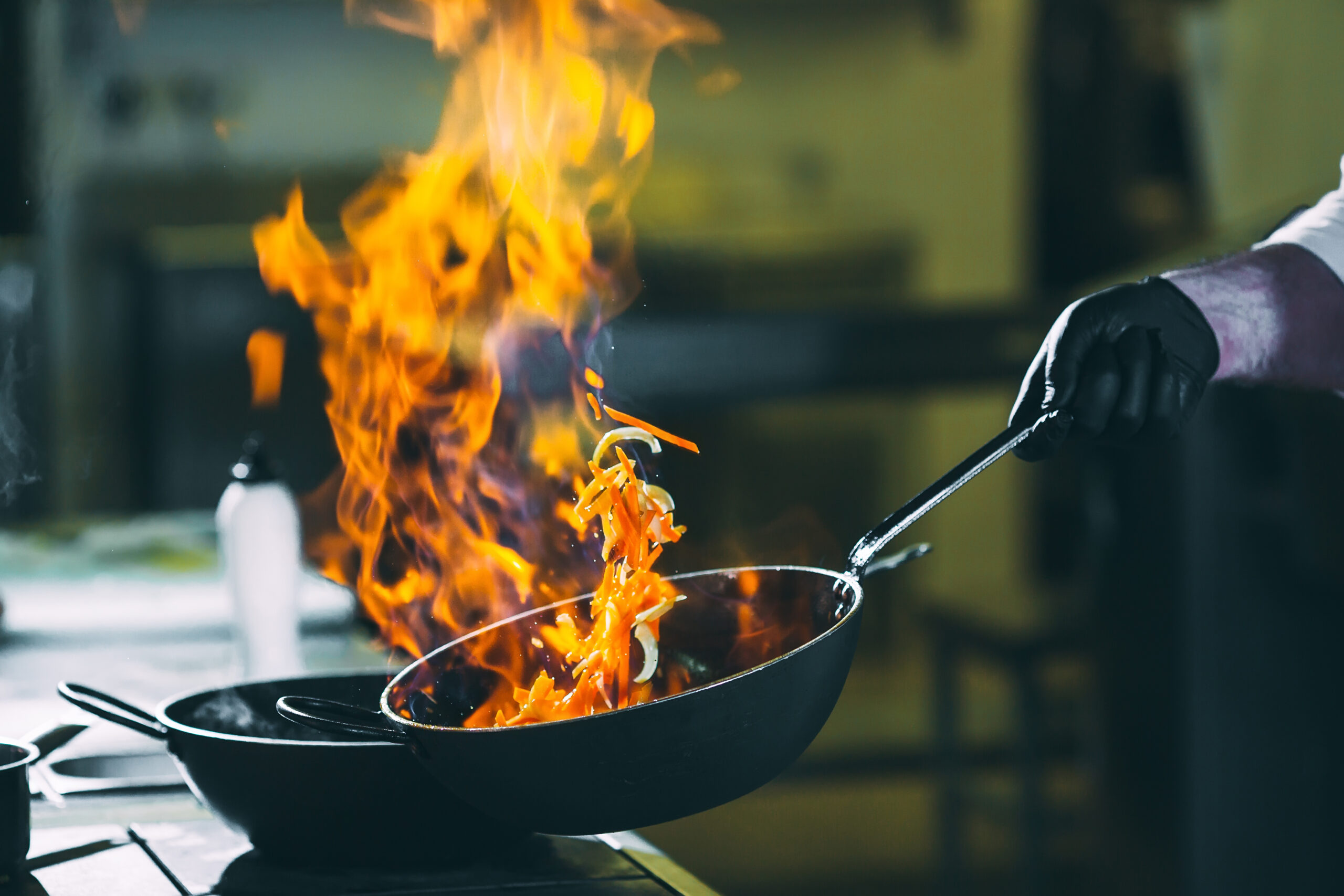
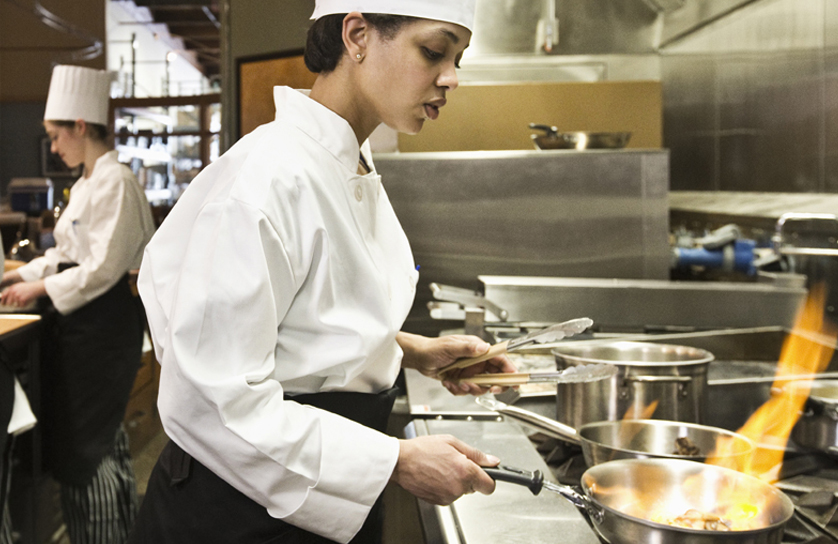
Commercial kitchens are one of the highest fire-risk environments in any business. With high cooking temperatures, open flames, large quantities of oil, and fast-paced working conditions, even a small mistake can lead to a serious fire emergency.
Recently, ABC Perth shared a Facebook Reel demonstrating the extreme danger of adding water to a stovetop grease fire. The video clearly shows how a simple mistake can turn a small fire into a dangerous explosion in seconds.
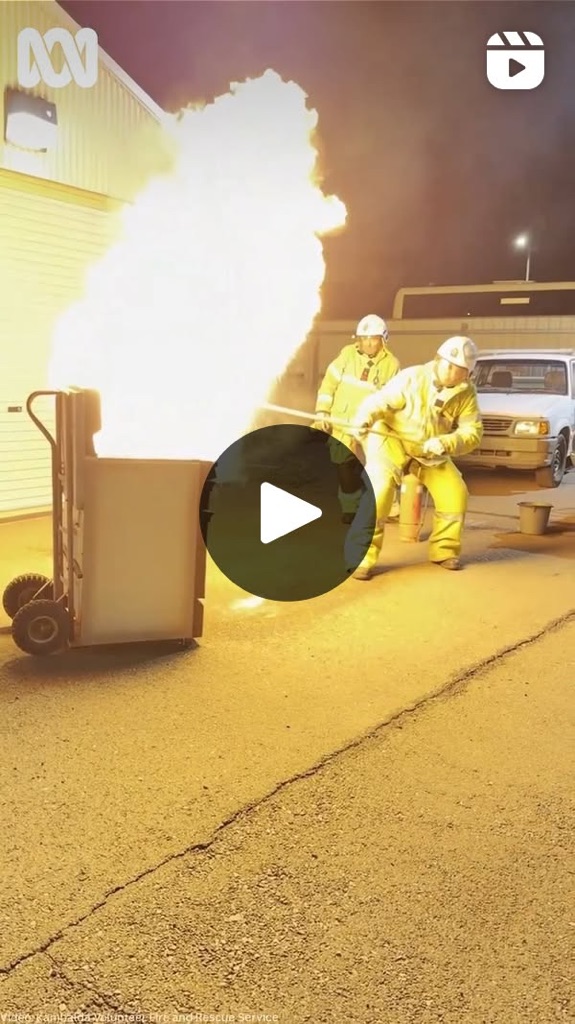
View in Facebook
For restaurants, cafés, pubs, and catering facilities, the risks are even greater. Without the right fire protection systems in place, a small incident can lead to serious injuries, property damage, business interruption, and insurance complications.
This is why commercial kitchen fire suppression systems are essential for modern food service businesses.
One of the most dangerous mistakes in a kitchen fire is attempting to extinguish burning oil with water.
Water is heavier than oil, so when poured onto burning grease it sinks beneath the oil. With temperatures often exceeding 300°C (570°F), the water instantly converts into steam.
When water becomes steam it expands approximately 1,700 times its original volume, creating a sudden and violent reaction.
This rapid expansion ejects burning oil droplets into the air, effectively atomizing the fuel and spreading flames throughout the surrounding area.
The resulting fireball can cause serious burns and quickly ignite nearby surfaces, equipment, or flammable materials.
A fire that started as a small pan incident can escalate into a full commercial kitchen fire within seconds. Fire Protection Australia (FPAA) specifically warns against using water to extinguish grease fires.
Understanding the common causes of kitchen fires helps restaurant operators reduce risk and maintain compliance with safety regulations.
Grease buildup is one of the leading contributors to kitchen fires.
Common issues include:
Grease buildup acts as fuel for fires, particularly in ventilation systems.
Commercial kitchens operate under high pressure, which increases the likelihood of mistakes.
Typical risks include:
Even experienced kitchen staff can make errors during peak service hours.
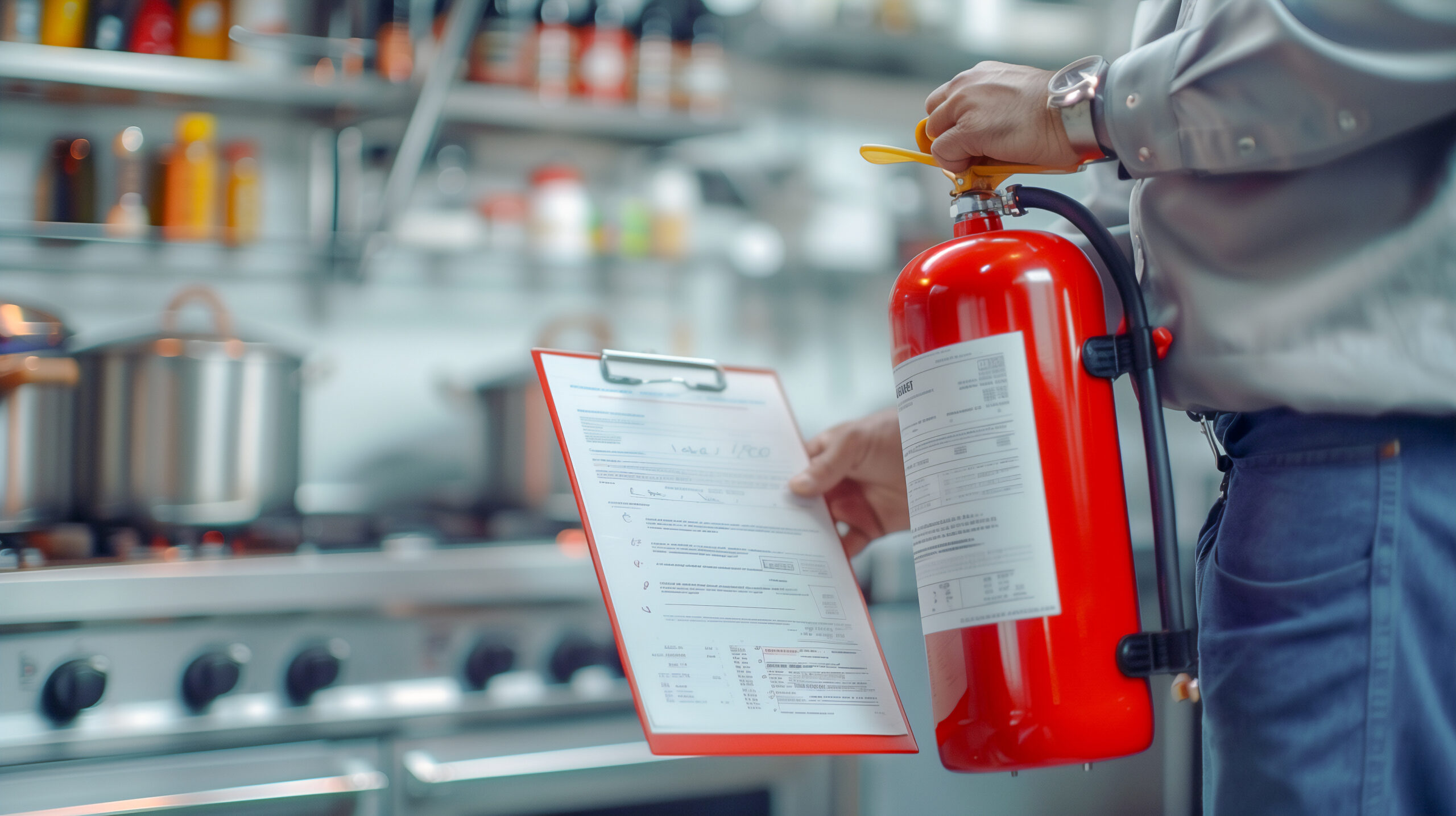
Kitchen fire suppression systems must be properly installed, inspected, and maintained to work effectively.
Common issues include:
Even with advanced fire protection systems, staff training remains critical.
Safety risks often include:
Preventing fires requires a combination of cleaning, training, and professional fire protection systems.
Recommended safety practices include:
Ensure daily, weekly, and monthly cleaning of cooking equipment, ventilation systems, and grease traps.
Conduct routine fire safety training and evacuation drills so employees know how to respond during emergencies.
Schedule bi-annual inspections of commercial kitchen fire suppression systems and ventilation equipment.
Store oily rags and waste in metal containers with lids to reduce spontaneous combustion risk.
Check electrical wiring, gas connections, and cooking appliances regularly for damage or leaks.
A properly installed commercial kitchen fire suppression system can stop a fire within seconds, protecting your people, your property, and your business.
The ANSUL R-102 Restaurant Fire Suppression System is widely recognised as one of the most trusted kitchen fire protection systems in the world. It is specifically designed to protect high-risk cooking appliances such as:
When activated, the system automatically:
This rapid response can stop a fire before it spreads through the kitchen ventilation system.
At Torvac Solutions, we specialise in commercial kitchen and restaurant fire protection. As a long-standing partner of ANSUL Fire Suppression Systems, we install and maintain the ANSUL R-102 system, helping hospitality businesses stay safe and compliant.
Our services include:
If you’re unsure whether your kitchen fire suppression system is properly installed, compliant, or adequately protecting your equipment, it’s time to speak with a specialist.
🔥 Protect your staff, your customers, and your business.
Contact Torvac Solutions today to arrange a commercial kitchen fire protection inspection or discuss installing an ANSUL R-102 system.

September 3, 2026
July 3, 2024